Meet Patty
“I meet people where they are in their health journey without judgment or eating style dogma”
Patty holds a Masters of Science in Holistic Nutrition, is a certified Natural Chef, and an Herbalist. She is a trailblazer in the integrative health space and founded the first USDA-certified organic cooking school and nutrition center in the United States…

Nutrition Consultations
I aim to make people feel heard, informed, and empowered to make positive changes to become the healthiest version of themselves possible…

Calendar & Events
Explore our calendar for healthy cooking classes, culinary workshops, nutrition demos, and wellness food events happening throughout the year…

Cooking Classes
Cooking is a way to connect to our food, our bodies, and each other. My cooking classes are a way to encourage love and appreciation of food…

Patty’s Products
Patty’s curated wellness essentials. From smart kitchen tools to self-care favorites, chosen to simplify healthy habits and elevate daily living…

Patty’s Recipes
Nourishing, foolproof recipes from Patty that celebrate real food, support energy and balance, and make healthy eating easy, flavorful, and fun…

Articles
Trusted, down-to-earth articles from Patty on nutrition, lifestyle, and mindset, turning complex health science into practical steps you can use…
Nutrition & Cooking Classes
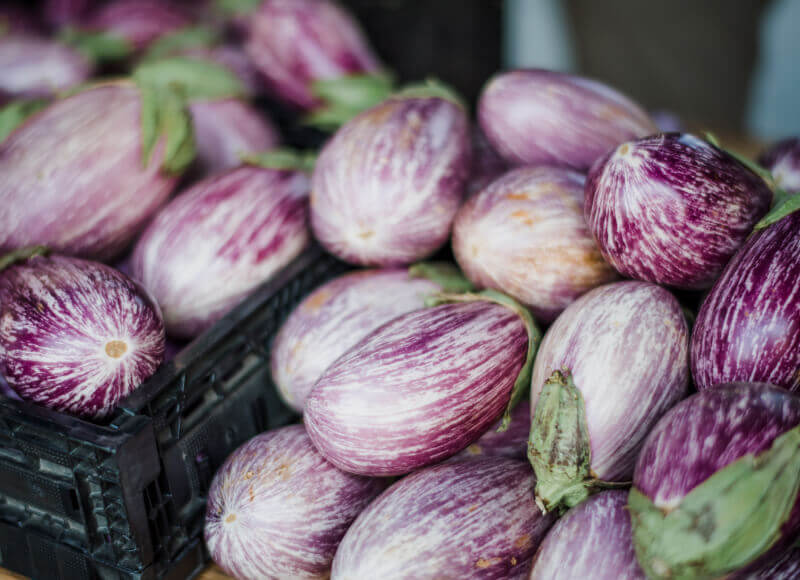
Patty James brings warmth, expertise, and ease to every lesson, transforming cooking from a chore into a creative, enjoyable part of your day. She takes the time to understand your comfort level, goals, and kitchen setup so each session feels personal, relaxed, and encouraging. Whether you’re brand new to cooking or looking to refine your skills, Patty meets you exactly where you are.
Patty’s Products

Chef’s Knives
Razor-sharp chef knives crafted from premium stainless and carbon steel for perfect balance, precision cutting, and lasting performance.

Botanicals
Botanical balms and salves made by Patty. Tea blends from calming to energizing to specific blends just for you.
Patty’s Recipes
Explore simple, season-led recipes that nourish and delight. From herb-laced soups and one-pan roasts to bright salads, homemade stocks, and small-batch bakes, we focus on fresh produce, pantry staples, and clear steps. Each recipe includes swaps, storage tips, and timing notes, so weeknights feel easy and weekends taste special. Vegan and gluten-free options included.
Connect With Patty


Newsletter Signup
Patty is a nutritionist and culinary instructor, the founder of the nation’s first certified organic cooking school, and is Chair of The Nutrition, Food, and Wellness Member-Led Forum at The Commonwealth Club.
What People Are Saying
Patty knows nutrition
Patty knows nutrition, because she knows propaganda when she sees it. Patty is one of the few nutritionists who doesn’t believe what she hears. She accesses the science to figure it out for herself. This is why Patty and I became friends, and have stayed friends for more than a decade. Patty is your go-to when you don’t know where to go. I trust her implicitly.
Patty is an amazing nutrition expert
Patty is an amazing nutrition expert. Her range of expertise and work is remarkable. I have enjoyed collaborating with her and having her as an advisor in a field that is constantly changing. Her communication and technical skills, combined with her ability to engage the public with engaging educational events is impressive. I highly recommend her and appreciate her exceptional leadership in the field of nutrition and health.
Wow, what a meal!
Wow, what a meal! Thank you so much for a fantastic evening, from beginning to end. The food was absolutely delicious (I think our guests are all probably still talking about it, and I myself am still dreaming about the tomato soup), and working with you was a true pleasure. Your organization, attention to detail, and seamless execution made the event so relaxing for me, knowing I didn’t have to worry about a thing, since it was in your capable hands.
I will look forward to our next opportunity to use your services again. So glad that you’ve shared your obvious passion for food with us!
I hope to work with her again
I met Patty for the first time in the kitchen of her cooking school in Sebastopol. I was there for a planning meeting for the Commonwealth Club How We Eat series of programs. She made us a delicious and nutritious lunch as we sat and talked and I was impressed with her knowledge and her enthusiasm about healthy eating. Later, I was even more impressed when she spoke to Commonwealth Club members about the importance of eating healthy snacks throughout the day as a way to maintain weight and good health. Her enthusiasm is contagious. She is both a great educator and advocate for keeping your body and mind healthy through proper nutrition.
Patty was one of the best clients I have had the pleasure of working for. She is a very levelheaded, happy-go-lucky person with great common sense. I hope to work with her again sometime in the future.
You will definitely be pleased
I wish I had two or three pages to fill with my praise of Patty. She and I attended the Bauman College together. Patty excelled and took off. She was born to support and teach. Please do not miss a chance to get to know Patty, you will definitely be pleased that you did. If you have not looked at her website, do so today!
Always pleasant to work with
I have known and worked with Patty James since 2007. We served together as co-chairs of the Health and Medicine Member-led Forum (H&M MLF) of the Commonwealth Club of California for 13 years. There are about 14 MLFs and they put on about half of the club’s programs each year. The H&M MLF generally hosted about 20 programs per year. As co-chairs, we had the responsibility to invite some speakers and host their programs as well as coordinate the programs hosted by other H&M MLF members. Patty and I were mostly involved with programs on maintaining good health and preventing disease. The speakers were generally recognized experts in their field, sometimes a university professor discussing his or her recent book, sometimes a practicing physician discussing how to stay healthy through diet. Patty consistently ran her programs professionally, handling the introductions and audience questions skillfully. She demonstrated thorough knowledge of optimal diets for good health. She was always pleasant to work with and had the flexibility to adapt to last minute changes and modifications.
Patty James is extraordinary
Patty James is extraordinary, a true professional on so many levels. Her commitment to her work and her clients is at the very core of who she is. She loves what she does and it is obvious when working with her. She shares her extensive knowledge liberally and always seeks to learn more. Patty is a team player and collaborating with her is a pleasure because she will support you at every phase of your project. Importantly, she is honest and thorough. She doesn’t have hidden agendas and communicates honestly and opening. Anyone working with Patty is fortunate.
I just wish everyone would follow Patty’s advice
I just wish everyone would follow Patty’s advice – and have access to the healthy food she recommends. Coronavirus would do a lot less damage if we were all healthy. That’s why I’m endorsing her: Please pay attention to her work and spread it!
Patty is incredibly professional
I am pleased to say that I have worked and been friends with Patty for over a decade. We first met when she booked me as a speaker at the Commonwealth Club. Over the years we have interacted in many ways, from her organizing speaking panels and talks to me serving as a Board member on her non-profit, DirectionFive Health. I have always found Patty to be incredibly professional, efficient and hard working. She is constantly looking to the future and is creative in finding new and innovative ways to make a difference.
Patty is a delight
Following breast cancer, I sought out Patty James for nutritional counseling because I was unable to tolerate aromatase inhibitors (to decrease estrogen). Patty prescribed a happy eating plan for me which made sense….even to my oncologists. Her idea was to increase my liver function so that the rest of my body would excrete both fat and estrogen more
readily.
Patty counseled me so wisely…instead of telling me to “eliminate this or that”, she counseled me to “add this or that”. Of course, she did make me give up my Sugar-Free Fudgsicles and Diet Dr. Brown’s cream soda.
It’s been about three months and I have three fantastic results:
- I feel fantastic – with noticeably more energy.
- I am losing weight (no weight-loss diet has worked for me in years).
- I am eliminating the small cysts that my body harbored because a variety of food wasn’t being metabolized. To my surprise, once a week, a small cyst that has been around for years is disappearing on its own.
- Patty never told me to ignore any other cancer treatment. I feel so well that I imagine I just won’t need any other treatment.
Also, Patty is a delight. She was almost as happy as I was when I reported that my cysts seemed to be disappearing.
She is truly the brightest thing in my kitchen!
Patty James’ extensive dietary knowledge and personal enthusiasm have been a blessing. Her fast-and-easy cooking tips, geared to my particular health issues, have broken my vicious cycle of fatigue and eating whatever was handy. She is truly the brightest thing in my kitchen!